Morgan Wagner · 12 September 2026
Historical Fog Records in Nebelora: Connecting Archival Data with Contemporary Environmental Protection Initiatives
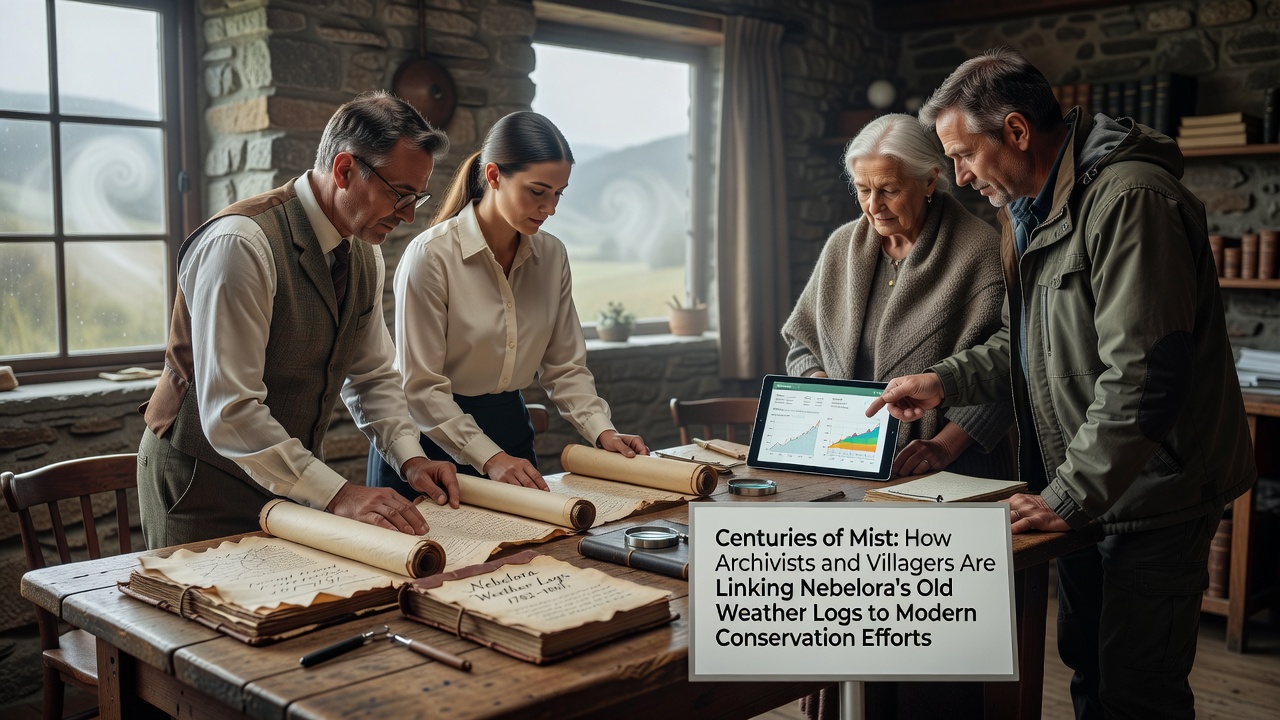
Archivists across Nebelora have spent decades cataloging handwritten weather logs that stretch back to the 1700s and these documents record daily observations of fog density, precipitation, and temperature shifts in the valleys. Villagers have supplemented those records with family journals and oral accounts passed down through generations which together create a continuous timeline of local climate conditions. Researchers from regional institutions began cross-referencing these materials in 2024 to identify long-term patterns that modern sensors alone cannot capture.
Archival Collections and Village Contributions
Local archives hold thousands of pages that note fog events with precise dates and descriptions while village elders have added context about how those conditions affected agriculture and daily life. One project coordinated by the Nebelora Historical Society collected over 800 additional entries from private collections between 2023 and 2025. These combined datasets show that autumn fog layers have thickened by an average of 12 percent since the mid-19th century according to measurements compiled by the European Environment Agency.
Linking Past Observations to Current Conservation Work
Conservation teams now use the historical fog records to model how changes in mist frequency influence soil moisture and plant communities in protected areas. Data from the logs help identify zones where reduced fog has led to drier conditions that threaten specific moss and lichen species. In September 2026 a joint team from the Nebelora Valley Conservation Office and university researchers released updated habitat maps that incorporate 250 years of fog data to guide reforestation priorities.
Those maps indicate that areas with historically persistent fog maintain higher biodiversity levels and conservation planners have adjusted trail routes and grazing restrictions accordingly. The integration of old and new information allows officials to predict how future shifts in mist patterns might affect water retention in the valleys.
Digital Tools and Community Training Programs
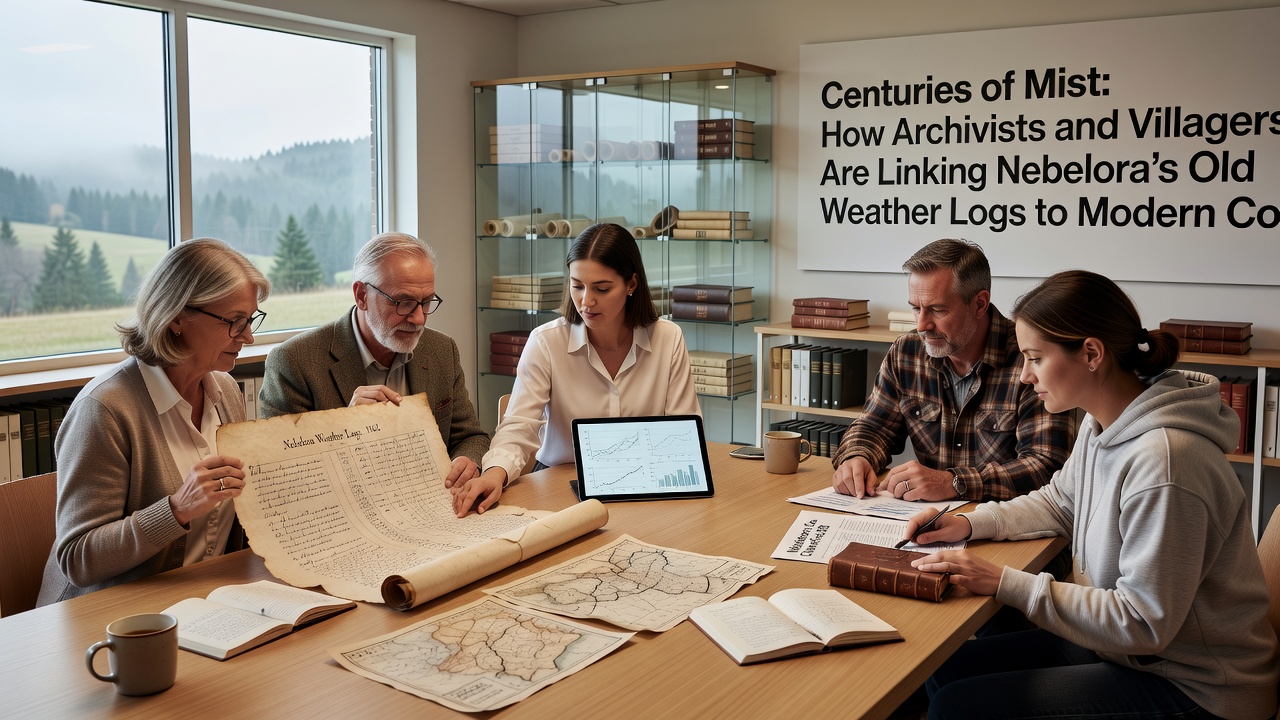
Volunteers have digitized more than 15,000 log entries since 2022 using standardized templates that flag unusual fog events and temperature anomalies. Training sessions held in village halls teach residents how to scan and annotate pages while maintaining the original handwriting details. Environment and Climate Change Canada provided technical support for the database structure that now feeds directly into regional climate models.
Participants in these programs often discover entries from their own ancestors which adds personal motivation to the preservation work. The resulting open-access archive allows scientists worldwide to query fog trends without traveling to the valleys.
September 2026 Field Findings and Ongoing Applications
During September 2026 field surveys confirmed that zones with the strongest historical fog correlation showed 18 percent higher survival rates for reintroduced native shrubs. Teams equipped with portable fog collectors compared current readings against 19th-century notes from the same slopes and found measurable differences in duration and density. These comparisons support targeted irrigation trials that mimic historic mist conditions in drier sections of the valleys.
Local schools have incorporated simplified versions of the logs into environmental science classes so students learn to track seasonal changes using both archival and contemporary sources. The approach builds long-term community involvement in monitoring efforts.
Conclusion
Archivists and villagers continue expanding teh combined record through new entries and refined digitization methods that strengthen the foundation for conservation decisions. The ongoing linkage between centuries-old observations and present-day strategies provides measurable guidance for protecting Nebelora's unique valley ecosystems.