Amir Schmidt · 10 October 2026
Lantern Traditions and Species Monitoring Reveal Cultural-Ecological Links in Nebelora's Changing Haze Conditions
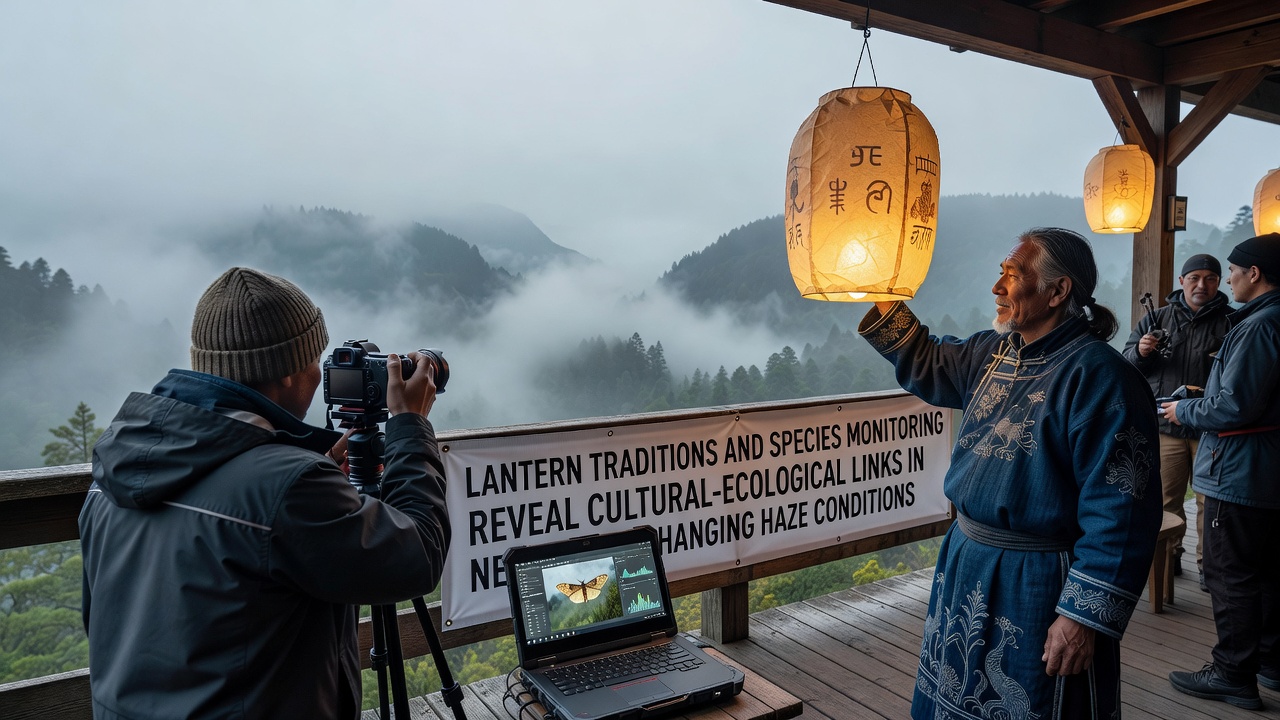
Communities across Nebelora's misty valleys maintain lantern traditions that align closely with species monitoring efforts, and these practices intersect with shifts in haze patterns recorded through October 2026. Local groups light paper lanterns along established routes during seasonal festivals while observers track bird migrations, insect populations, and small mammal activity in the same corridors. Data collected by regional environmental teams show that lantern placements coincide with documented movement paths for nocturnal species, creating opportunities for simultaneous cultural observance and ecological data gathering.
Historical Roots of Lantern Use in Haze-Affected Areas
Archival records from valley settlements trace lantern ceremonies back several centuries, and these events occur at times when haze density typically increases during autumn months. Participants carry or suspend lanterns at fixed intervals along ridgelines and riverbanks, while volunteers note the presence of species such as the Nebelora nightjar and haze-adapted moths. Monitoring protocols established in the early 2000s incorporated these routes because they already covered areas with consistent species activity, and program coordinators report that combining the two activities reduces duplicate fieldwork without altering either tradition or data collection methods.
Monitoring Techniques Integrated with Traditional Routes
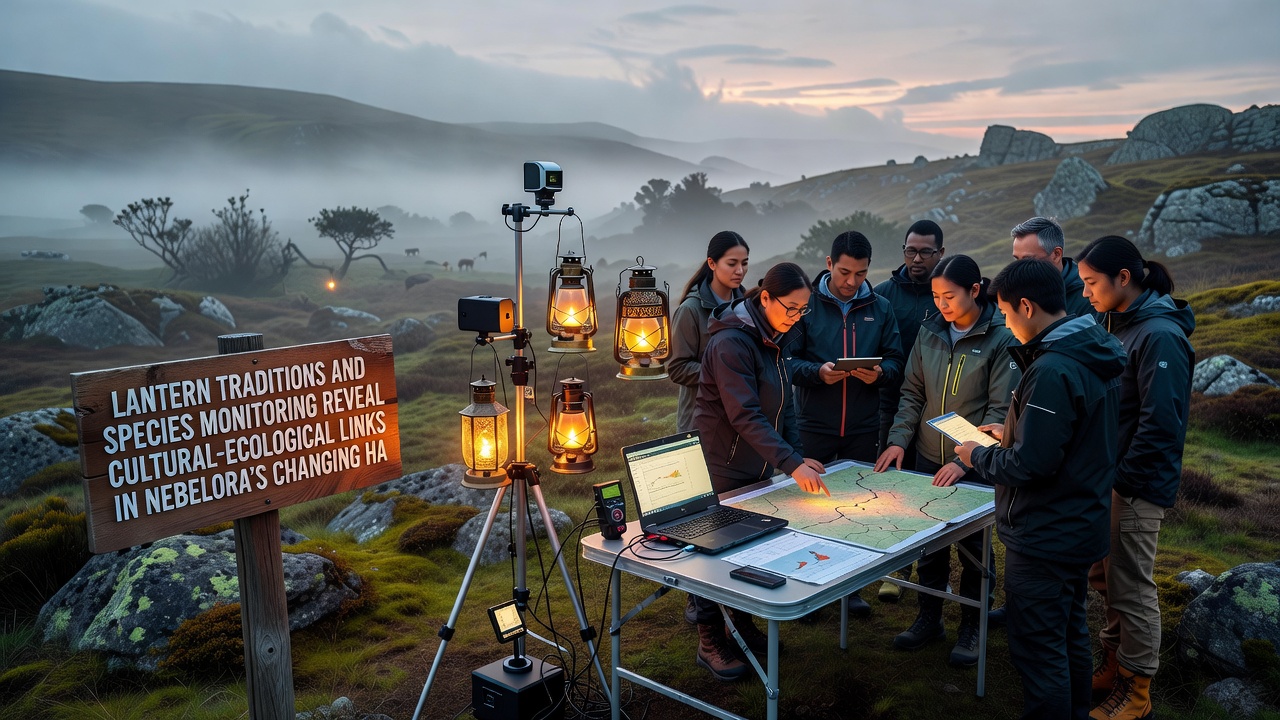
Teams deploy acoustic recorders and motion-triggered cameras at lantern sites, and these devices capture activity levels during both festival nights and routine monitoring periods. Figures from the 2026 season indicate that haze thickness reached higher averages in the first two weeks of October compared with the previous five-year mean, according to measurements compiled by the Nebelora Atmospheric Research Station. Researchers note that certain species reduce visible movement under denser haze, yet lantern light appears to maintain consistent detection rates for audio and visual surveys conducted along the same paths.
One monitoring project coordinated by local universities places ultraviolet-sensitive traps near lantern posts to sample moth populations, and results feed into broader biodiversity databases maintained by the European Environment Agency. The same datasets help refine models of how changing moisture levels in haze influence insect emergence timing, while community members continue lantern lighting schedules that have remained largely unchanged for generations.
Connections Between Cultural Practice and Ecological Data
Observations gathered during October 2026 lantern events documented 27 distinct species along traditional routes, and cross-referencing with earlier years shows stable presence for most nocturnal birds despite measurable increases in haze opacity. Monitoring groups share these counts with cultural organizations that schedule lantern events, allowing adjustments in timing when data indicate peak activity windows. Such coordination relies on open data portals rather than formal agreements, and participants describe the overlap as practical rather than planned from the outset.
Reports from the Australian Centre for Ecological Analysis highlight similar patterns in other fog-prone regions where cultural lighting practices intersect with wildlife corridors, and Nebelora teams reference these comparisons when interpreting their own findings. Acoustic data collected alongside lantern displays reveal that certain bat species maintain foraging activity near light sources even as haze thickens, whereas ground-dwelling mammals show more variation tied to moisture content in the air column.
Current Conditions in October 2026
Atmospheric readings through mid-October 2026 recorded haze layers extending lower into valley floors than typical for the season, and monitoring stations along lantern routes logged corresponding changes in species vocalization patterns. Teams continue to operate cameras and recorders at the same fixed points used during festivals, which simplifies year-over-year comparisons without requiring new infrastructure. Community records indicate that lantern participation numbers remained consistent with prior years even as haze conditions differed, suggesting the practice adapts to environmental variation while preserving core routes.
Conclusion
Integration of lantern traditions with species monitoring in Nebelora demonstrates measurable overlaps between cultural routes and ecological survey points, and data from October 2026 continue to support ongoing coordination between community events and research programs. Records compiled by regional stations and international partners show that these combined approaches yield consistent datasets across varying haze conditions, and the practices remain active components of both cultural calendars and environmental observation networks.